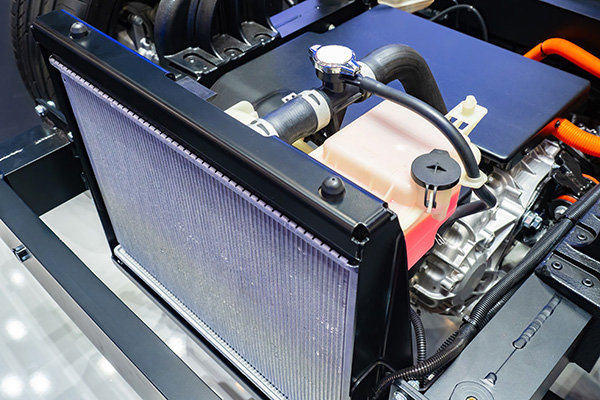
Coolant leaks can be annoying because they do not always leave a puddle. You top off the reservoir, everything looks fine for a week, and then the level is low again. A cooling system pressure test is one of the quickest ways to catch leaks that only show up under pressure, and it often finds problems before the engine ever overheats.
It is a straightforward test, but it is effective because it recreates the conditions your cooling system sees when the engine is hot. Instead of guessing, it lets you see exactly where coolant is escaping.
What A Cooling System Pressure Test Does
A pressure test uses a hand pump and an adapter that fits the radiator neck or reservoir, depending on the vehicle. The system is pumped to a specific pressure, usually close to the rating of the radiator cap. Once it is pressurized, the technician watches to see whether the pressure holds steady or drops.
If pressure drops, coolant is leaving the system somewhere. That might be a visible drip, a slow seep, or a leak that only appears when hoses and seals are under stress. The test works even with the engine off, which makes it safer and easier to inspect tight spots.
Why Leaks Hide Until Pressure Builds
When the engine warms up, coolant expands and pressure rises. That pressure is normal and helps raise the boiling point, allowing the system to handle heat. The downside is that weak parts tend to fail under that pressure, not when the engine is cold.
A hose with a tiny split can look fine at rest and then mist coolant once it is pressurized. A gasket can seep only after metal expands, and then the leak disappears again when everything cools. A pressure test removes that guesswork by forcing the leak to show itself on command.
Common Leak Spots A Pressure Test Finds
Radiator seams and end tanks are common leak areas, especially as plastic ages and heat cycles take a toll. You might see crusty residue or a damp line along the tank seam once the system is pressurized. Hoses and hose clamps also show up often, since a clamp can loosen slightly or a hose can soften and seep at the connection.
Water pumps are another frequent find. Many have a weep hole that will start leaking when the internal seal is wearing out, and a pressure test can make that leak obvious. Thermostat housings and coolant outlets are high on the list too, especially on engines that use plastic housings or multiple O-rings.
Heater hoses, small bypass lines, and reservoir fittings can leak just enough to lower the level over time. Those leaks might evaporate on a hot engine and never reach the ground. Under pressure, they usually reveal themselves through a wet spot, a drip, or a fresh trail of coolant.
What Technicians Look For During The Test
The first step is watching the gauge. If pressure holds, the system may not have an external leak, or it may have an issue that only shows under running conditions. If pressure drops, the next step is a careful visual check around every connection, seam, and gasket area.
In our shop, we also look for dried coolant residue, because a leak may have happened before and left a chalky trail. Mirrors and lights help spot the underside of hoses, the back of the engine, and the heater hose connections near the firewall. If the leak is very slow, it may take a little time under pressure for the moisture to appear.
Another detail that matters is the radiator cap. A weak cap can vent pressure too soon, which can cause coolant loss without a traditional leak. Testing and replacing a cap when needed is a small step that can prevent repeat low-coolant issues.
What Happens After The Leak Is Found
Once the leak location is confirmed, the repair plan usually becomes clear. A cracked hose, leaking clamp area, or worn thermostat seal is typically a direct fix. A radiator seam leak usually means replacement, because patching rarely holds up under heat and pressure for long.
After repairs, the system is typically retested to confirm it holds pressure. That matters because multiple weak points can exist at the same time. Fixing one leak can raise pressure back to normal and reveal another seep that was previously hidden.
How To Prevent Repeat Coolant Loss
Coolant leaks often start as small seepage, so catching them early saves money and stress. Paying attention to a slight sweet smell after parking, a low reservoir level, or residue around hoses can help you act before overheating becomes part of the story. Keeping the correct coolant in the system also helps protect seals and passages.
This is also where regular maintenance has real value. A simple inspection of hoses, clamps, and the reservoir during routine service can catch soft spots and early seepage before they turn into a sudden hose failure. If your vehicle is overdue for coolant service, handling it on schedule helps the system last longer and keeps corrosion from creating new leak points.
Get A Cooling System Pressure Test In Westchester, CA With Loyola Marina Auto Care
If you’re dealing with coolant loss or that lingering sweet smell after driving, the next step is booking service so a pressure test can pinpoint the leak and it’s fixed correctly.
Schedule service or visit Loyola Marina Auto Care in Westchester, CA when you want the cooling system sealed up and dependable before a small leak turns into an overheating problem.