There was a time when replacing a windshield was pretty straightforward. The old glass came out, the new glass went in, the adhesive cured, and the car went back on the road. That is still the basic shape of the job, but for a lot of modern vehicles, that is no longer the whole job.
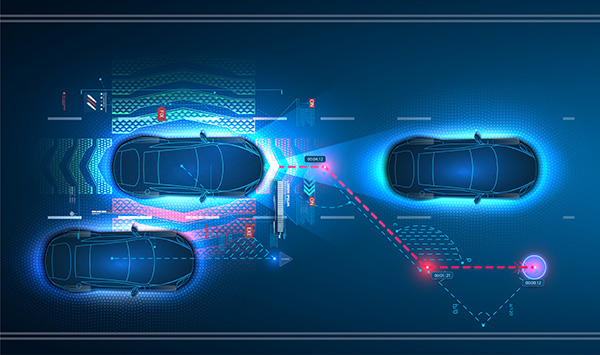
At our shop, we talk with more and more drivers who are surprised to learn that a windshield replacement may also involve ADAS calibration. If that phrase sounds overly technical, the reason it matters is actually pretty simple. Many newer vehicles have cameras and sensors mounted near or against the windshield, and those systems help power safety features like lane departure warning, forward collision alert, automatic emergency braking, traffic sign recognition, and lane-keeping assist. When the windshield is replaced, those systems may need to be recalibrated so they continue to interpret the road correctly.
That is why a modern windshield replacement is not always just a glass job anymore. In a lot of cases, it is also a safety-system job.
What ADAS Actually Means
ADAS stands for Advanced Driver Assistance Systems. These are the features designed to help drivers stay aware of their surroundings, avoid collisions, and keep the vehicle tracking properly. Depending on the vehicle, ADAS may include:
- Forward collision warning
- Automatic emergency braking
- Lane departure warning
- Lane-keeping assist
- Adaptive cruise control
- Traffic sign recognition
A lot of these systems depend on a forward-facing camera mounted near the top center of the windshield, often behind the rearview mirror area. That camera needs a very precise view of the road in order to do its job properly.
And that is exactly why windshield replacement became more complicated.
Why The Windshield Matters To These Systems
On older vehicles, the windshield was mainly about visibility, weather protection, and structural support. All of that is still true. But on many newer vehicles, the windshield is also part of the environment that ADAS cameras are looking through.
That means if the windshield is replaced, even by a tiny margin, the camera’s relationship to the road may change. The mounting position, the glass angle, the optical clarity, and the camera’s reference point all matter. A camera that is even slightly off can affect how the system sees lane markings, judges distance, or recognizes vehicles ahead.
From the driver’s seat, the windshield may look perfectly installed. But the safety system behind it may no longer be aligned the way the vehicle expects.
Calibration Is About Accuracy, Not Just Function
This is one of the biggest misunderstandings we see. People assume that if the warning light is off and the camera powers on, everything must be fine. But ADAS calibration is not only about whether the system turns on. It is about whether the system is accurate.
A misaligned camera might still appear to work. The problem is that it may not interpret what it sees correctly. That can mean:
- A lane-keeping system that reacts late or oddly
- A forward collision warning that is less accurate
- A driver-assistance feature that seems inconsistent
- Safety systems that are operating with the wrong reference point
That is why calibration matters so much. It helps the vehicle relearn or confirm the exact orientation it needs so those systems can function the way they were designed to.
Why A Windshield Replacement Can Trigger The Need For Calibration
When the original windshield comes out, the camera and related components are usually affected in some way, even if they are removed and reinstalled carefully. The replacement glass itself may also have slight differences in positioning or optical characteristics that require recalibration afterward.
This is not a sign that anything was done “wrong.” It is simply part of how precise these systems are.
Many manufacturers require calibration after windshield replacement because they know the camera’s mounting relationship to the glass is too important to leave to chance. In other words, the modern repair procedure often assumes that replacing the windshield changes enough that the camera needs to be checked and reset.
Static Vs. Dynamic Calibration
There are generally two main types of ADAS calibration: static and dynamic.
Static calibration is usually done in a controlled shop environment using targets, measurements, and specialized equipment placed at exact distances and angles from the vehicle. The car stays in place while the system is calibrated.
Dynamic calibration usually involves driving the vehicle under certain road conditions so the camera or sensor system can recalibrate while the car is moving.
Some vehicles require one or the other. Some require both. That depends on the manufacturer and the system design.
This is another reason why windshield replacement is not always a fast in-and-out service anymore. If calibration is required, the job may involve more time, more setup, and more specialized equipment than drivers expect.
It’s Not Just About The Camera Either
The windshield-mounted camera gets most of the attention, but it is part of a larger picture. Modern vehicles rely on a combination of cameras, sensors, steering angle inputs, and other references to make driver-assistance systems work properly. If one piece is off, the full system may not respond the way it should.
That is why we think about windshield replacement as something that can affect the whole ADAS ecosystem, not just one little module near the mirror.
Why “Close Enough” Is Not Good Enough
In the old days, close enough often felt acceptable in a lot of repairs. Modern ADAS systems do not really allow for that mindset. These systems are based on exact positioning. If the vehicle is using a forward camera to decide when to warn about a lane departure or potential collision, being almost right is not the standard you want.
This is also why we do not like seeing windshield replacement treated like a purely cosmetic or convenience repair on newer vehicles. The glass may look great, but the real question is whether the safety technology tied to that glass is still seeing the road correctly.
Signs A Vehicle May Need ADAS Calibration After Glass Work
Sometimes the vehicle itself tells you. Warning messages, unavailable safety features, or driver-assistance alerts may point to a system that knows calibration is needed. But in other cases, there may not be an obvious warning.
That is what makes this issue so important. The car may not always wave a giant red flag. The need for calibration often comes from the repair procedure and manufacturer requirements, not just from whether the driver notices something strange.
This is why following proper repair steps matters more than waiting for a dashboard light to appear.
Why This Matters For Safety
At our shop, this is the part we care about most. ADAS features are not meant to replace the driver, but they are meant to support the driver. If a customer’s vehicle has lane-keeping assist, forward collision warning, or automatic braking, those systems need to be able to trust what they are seeing.
If calibration is skipped when it should have been done, the result may not be obvious on the first drive. But it can show up later in the exact moment the system is needed most.
That is why we see ADAS calibration as part of a complete repair, not an optional extra when the vehicle requires it.
A Windshield Replacement Isn’t “Just Glass” Anymore
That is really the core truth here. On many newer vehicles, replacing a windshield is no longer a simple swap-and-go service. It may involve camera handling, system verification, and calibration procedures that are directly tied to the safety features the driver relies on every day. The car itself has changed, so the repair process has changed too.
If your vehicle needs a windshield replacement and has driver-assistance features, visit Loyola Marina Auto Care in Westchester, CA. We can help make sure the job is handled with the full vehicle in mind, including the ADAS systems that may need calibration afterward.
Call us today or stop by soon.